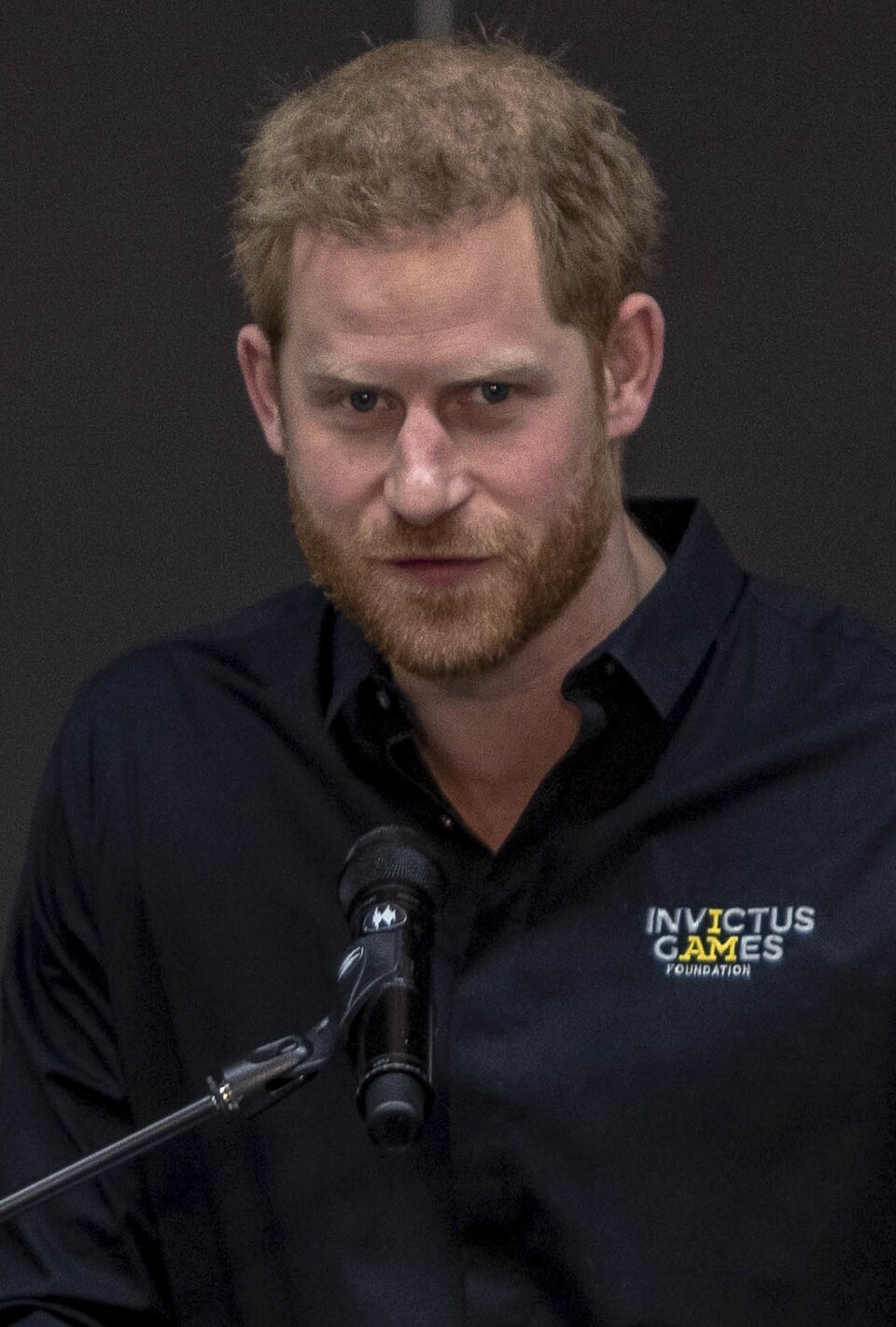
Prince Harry: Reconciliation Hopes & Royal Family Dynamics
The intricate tapestry of the British Royal Family continues to captivate global audiences, with every movement and interaction scrutinized under a microscope. At the heart of much recent discussion lies Prince Harry, Duke of Sussex, whose relationship with his father, King Charles, and the wider royal institution remains a subject of intense speculation and hope. His recent return to the UK for a significant charity event reignited conversations about potential reconciliation, casting a spotlight on the delicate dynamics at play within one of the world's most enduring monarchies.
Harry's visits to his homeland are no longer routine, each one carrying the weight of past tensions and future possibilities. This particular trip, marked by both solemn remembrance and charitable commitment, offered a rare glimpse into the Duke's current mindset and his reiterated desire for healing within his family. The journey from California to the UK is more than just a physical distance; it represents a bridge across a chasm that has widened over years, yet which many hope can still be spanned. Understanding the nuances of this ongoing narrative requires delving into the specific events of his visit, the underlying issues, and the broader context of royal life in the modern era.
A Moment of Return: Harry's UK Visit and WellChild Awards
Prince Harry's most recent arrival in the UK, reportedly on Monday, September 8th, sparked immediate interest. His first public sighting in a car after landing at London's Heathrow Airport confirmed his presence, igniting speculation about the true purpose and potential outcomes of his trip. While reunion talks were undoubtedly on many minds, the Duke's primary agenda was clear: to support the WellChild Awards, a long-standing charity close to his heart dedicated to seriously ill children.
Before immersing himself in his charitable commitments, Harry undertook a poignant and private duty. He traveled to Windsor Castle to pay his respects to his late grandmother, Queen Elizabeth II, on the third anniversary of her passing. A spokesperson for Prince Harry confirmed that he visited the burial place of the late monarch at St. George's Chapel, laying a wreath of flowers in her memory. This act of remembrance, deeply personal and steeped in tradition, served as a quiet acknowledgment of his enduring connection to his family and heritage, despite the publicized rifts.
Amidst the emotional weight of the anniversary, sources close to the Duke indicated he was in a "positive" mood. "He's in a really good headspace and looking forward to seeing everyone from his charities and the causes he cares about," an insider told PEOPLE. This assertion suggests a focus on purpose and a determination to continue his philanthropic work, which has been a consistent thread throughout his public life. The WellChild Awards, where he was set to attend, underscore his commitment to advocating for vulnerable children and their families, a cause that transcends royal titles and personal disputes. For more details on his mood and charity work, you can read Prince Harry Returns to UK: WellChild Awards & Positive Mood.
The Elephant in the Room: Reconciliation with King Charles
While the WellChild Awards provided a public-facing purpose for his visit, the unspoken question on everyone's lips was whether Harry would finally reunite with his father, King Charles. The father and son had not seen each other since February 2024, when Harry made a swift trip to the UK following the news of the monarch's cancer diagnosis. That brief meeting, though significant, did not fully bridge the divide that has grown between them.
Hopes for a more substantial interaction this time were cautiously fueled by an "apparent olive branch" extended in July, when Prince Harry's aides met with one of the King's key staffers for the first time. "It was a good first step," an insider noted, emphasizing that "it is always better to be talking." This initial dialogue, however informal, suggested a willingness on both sides to explore avenues for communication, essential for any future healing. The royal family's notoriously private nature means that much of their internal dynamics remain shielded from public view, yet these small indicators are often analyzed for larger implications.
Prince Harry himself has been vocal about his desire for reconciliation. In a past interview, he expressed, "I would love reconciliation with my family. There's no point in continuing to fight anymore." He added a poignant note, acknowledging the fragility of life: "Life is precious. I don't know how much longer my father has." These words highlight a deep personal yearning for peace and connection, particularly in the face of his father's health challenges. The path to reconciliation, however, is fraught with complexities, including past grievances, public statements, and the inherent challenges of navigating family disputes under intense public scrutiny. The question of whether this UK trip would yield a reunion with King Charles remains a central point of interest, as further explored in Harry's UK Trip: Will He Reunite With King Charles?
The Security Hurdle and Broader Dynamics
One of the most significant and persistent hurdles in the rift between Prince Harry and his family, and indeed the UK establishment, has been the legal battle over his official, taxpayer-funded security. The Duke of Sussex had been fighting the UK government over the removal of this security after he stepped back as a working royal. His appeal was ultimately lost in May, a decision that has profound implications for his ability to safely bring his family to the UK.
Immediately after losing his appeal, Prince Harry reiterated his desire for reconciliation, linking it directly to the security issue. He stated that his security concerns "could be resolved" through King Charles, elaborating: "There is a lot of control and ability in my father's hands. Ultimately, this whole thing could be resolved through him. Not necessarily by intervening, but by stepping aside, allowing the experts to do what is necessary." This perspective contrasts sharply with the consistent denials from the palace, which maintains that the King does not possess the power to reinstate Harry's security. This divergence of views on who holds the authority, and how that authority should be exercised, underscores a fundamental disconnect that complicates any path to resolution.
The security issue is not merely a logistical problem; it carries immense emotional weight. Harry has emphasized that he "can't see a world" where he would bring Meghan Markle and their children, Prince Archie and Princess Lilibet, to the UK without adequate protection. This stance frames security not just as a personal preference, but as a prerequisite for family unity and the potential for his children to connect with their paternal heritage. The financial and logistical implications of private security for a family of their profile are immense, but more critically, the principle of royal protection speaks to their perceived status and belonging within the royal framework. Until this fundamental disagreement is addressed, the prospect of the Sussex family spending significant time in the UK, and thus deeper reconciliation, appears distant.
Navigating the Public Eye: Royal Duties vs. Modern Celebrity
The lives of public figures, whether born into royalty or rising through the ranks of popular culture, are invariably lived under the public gaze. However, the nature of that scrutiny, and the expectations placed upon them, differ dramatically. While Prince Harry navigates the deeply traditional and often rigid expectations of royal duty, even from afar, the world of modern celebrity offers a stark contrast.
In an era where the public's gaze shifts effortlessly from the ancient rites of monarchy to the electrifying performances of global icons like Harry Styles at state-of-the-art venues such as Co-op Live, understanding the diverse pressures on public figures has never been more complex. Prince Harry, as a member of the Royal Family, is expected to uphold a certain decorum, maintain neutrality, and adhere to centuries of protocol. His public appearances are often tied to national interest, charity, or state events, steeped in history and symbolism. The narrative surrounding him is often one of duty, tradition, and the weight of an institution.
Conversely, figures like Harry Styles thrive on personal expression, artistic freedom, and direct engagement with millions of fans across social media and massive live performances. Their success is built on relatability, trend-setting, and often, an openness about their lives that is unimaginable for a royal. The grand opening of venues like Co-op Live, designed to host such large-scale entertainment, symbolizes a different kind of public communion – one driven by shared cultural experiences and the allure of contemporary stardom. Both "Harrys," in their respective spheres, command immense attention, yet the frameworks through which they operate and are judged are vastly different. This contrast highlights the unique challenge for royals like Prince Harry, who must reconcile personal desires with an institutional role in a world increasingly defined by the immediate, personal, and often less formal interactions of modern celebrity culture. The Royal Family, therefore, faces the ongoing task of adapting its ancient traditions to resonate with a public that increasingly engages with global figures through highly personalized, digital, and often less reverent lenses.
Future Outlook and the Path Forward
The journey towards full reconciliation for Prince Harry and the Royal Family is undoubtedly a long and winding one, fraught with historical baggage and public expectations. The recent "good first step" of aides meeting suggests a willingness to keep lines of communication open, a fundamental requirement for any healing process. As the insider noted, "It is always better to be talking." This sentiment holds true not just for royals, but for any family navigating complex rifts. Ignoring issues or refusing dialogue only entrenches divisions further.
For genuine reconciliation to occur, several key elements might need to align. Firstly, private dialogue away from the glare of media scrutiny is paramount. While public statements can signal intent, real progress often happens behind closed doors, allowing for vulnerability and honest conversation without the pressure of public performance. Secondly, there may need to be a mutual understanding, if not agreement, on the thorny issue of security, or at least a practical compromise that allows Prince Harry to feel his family is safe in the UK. Without this, the practical barriers to regular visits remain insurmountable.
Thirdly, both sides may need to acknowledge and perhaps even apologize for past hurts, moving towards a future-focused perspective rather than dwelling on past grievances. This doesn't mean forgetting, but rather finding a way to move past the anger and resentment. Time, too, is a crucial factor. Healing takes time, and expecting immediate, dramatic breakthroughs might be unrealistic. Incremental steps, small gestures of goodwill, and consistent effort are often more effective than grand pronouncements. For any family facing significant rifts, whether royal or not, tips for navigating such challenges often include:
- Open Communication: Encourage honest, respectful dialogue, even if difficult.
- Empathy and Perspective-Taking: Try to understand the other person's point of view, even if you don't agree.
- Focus on Shared Values: Remind yourselves of what originally connected you.
- Set Boundaries: Understand what each party needs for respectful engagement.
- Seek Mediation: Sometimes an impartial third party can help facilitate difficult conversations.
The public interest in this royal drama is immense because it mirrors universal human experiences of family love, loss, disagreement, and the yearning for belonging. The ongoing narrative of Prince Harry and the Royal Family is a testament to the enduring power of these themes, played out on a global stage.
Conclusion
Prince Harry's recent return to the UK underscored the complex and deeply personal journey he continues to undertake as he navigates his relationship with the Royal Family. While his commitment to charities like WellChild remains steadfast, the overriding questions revolve around the potential for reconciliation with King Charles and the broader institution. The security dispute remains a significant practical and emotional barrier, yet Harry's expressed desire for healing, coupled with tentative steps toward dialogue, offers a flicker of hope. As the world watches, the dynamics of the Royal Family continue to evolve, balancing centuries of tradition with the demands of modern life and the universal human need for family connection and understanding. The path ahead is uncertain, but the desire for reconciliation, voiced by the Duke himself, suggests that perhaps, eventually, a bridge across the divide can indeed be built.